Legacy application modernization
Software written decades ago moved to current frameworks, databases and screens while the business keeps using it.
Legacy software modernization keeps what an old product does (its business rules, its data, the habits of the people using it) and replaces what it runs on. Code that can be upgraded is upgraded, parts that cannot are rebuilt, and the switch happens one module at a time so the product stays in use throughout.
Modernization work
-
System map
A written inventory of modules, data, integrations and risks before any change.
-
Framework upgrades
Older .NET, PHP or JavaScript code moved to supported versions.
-
Module rebuilds
Modules rewritten on a current stack where no upgrade path exists.
-
Database migration
Data moved with its history, integrity checked after the move.
-
New screens
Desktop and web interfaces rebuilt for current devices and browsers.
-
Hosting moves
Applications moved from old servers to current hosting or cloud infrastructure.
Systems we modernized
-
 Multi-clinic web platform
Plugin breakage after every WordPress core update ended for one clinic group when we moved it to a multi-tenant Next.js framework.
-
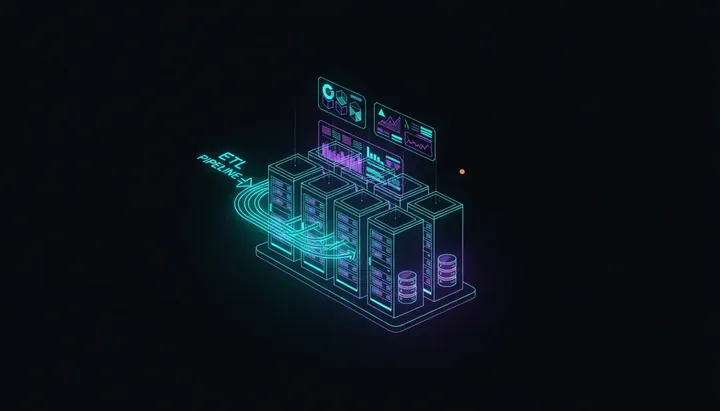 Clinical data warehouse
Stored procedures of a long-running clinical warehouse now live in the codebase and go through review, and schema changes only move forward.
-
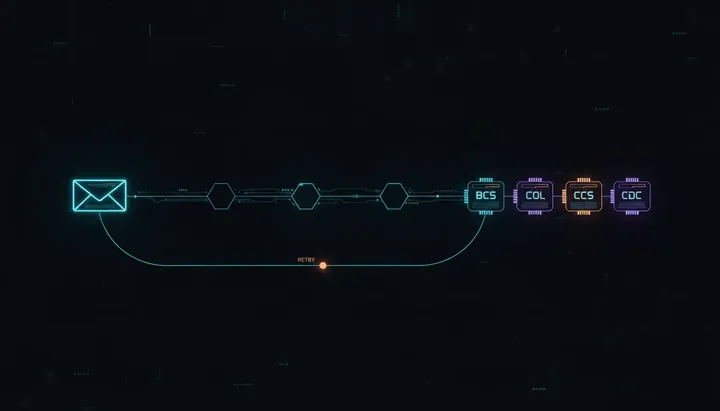 HEDIS measurement pipeline
Earlier automation in a HEDIS pipeline lost orders to race conditions; the services that replaced it log an audit row for every state change.
Website rebuilds that keep their rankings: website migration SEO. Ownership after the switch: software maintenance.
How a modernization starts
-
What it runs on
Describe the product, its current stack, who depends on it and which part hurts most.
-
Map before change
The review produces the module map, the data plan and an order of work for you to approve.
-
Module by module
Each module switches over on its own, and the old one stays ready to take traffic back.
And much more. Ask about your project
Common questions
Do you handle cloud and database migration?
How old is the software you depend on?
Tell us what it runs on today, who uses it and what has to change first.