Clinical data warehouses and data aggregation platforms
A healthcare data platform for analysts and product teams. It keeps the history of every record, and partner loads survive outages.
A clinical data warehouse stores patient, encounter and claim records with every past version. An analyst can ask what a record looked like on any date. An aggregation platform answers another need: engineering teams want one API in front of many clinical sources. We build either, or both over the same data.
Data platform components
-
History tables
Normalized patient, encounter and claim data with each change kept.
-
Idempotent partner loads
ETL batches with idempotency keys. A load resumed after a missed window adds no duplicates.
-
Analytics replicas
Read-only replicas for reporting, away from operational traffic.
-
Aggregation API
Schema-versioned endpoints, a typed C# SDK and per-request budgets.
-
Safe schema changes
Forward-only migrations and stored procedures that live in the repository.
Data platforms we run
-
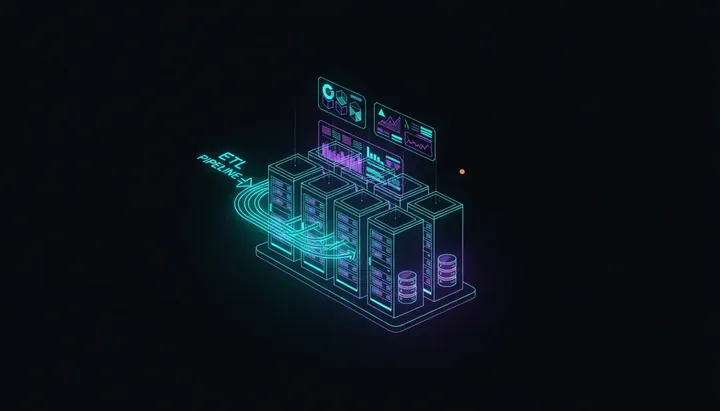 Clinical data warehouse
One MSSQL warehouse grew from a few hundred thousand records to many millions over years of feature releases. Its referential integrity held the whole time.
-
 Clinical data aggregation hub
When a source behind our clinical aggregation hub changes its schema, the hub absorbs the change. None of the services that read from it need a release.
How a data platform project starts
-
Sources and readers
List the source systems, the teams that read the data and the questions they cannot answer today.
-
Model one entity
We model one entity, usually the encounter, with its history and load it from two sources.
-
First consumers
Replicas and access logging open to the first team. More entities follow in the order teams ask for them.
And much more. Ask about your project
Further reading in Insights

What can your analysts not answer today?
Describe the sources, who reads the data and what breaks when a source changes.